Food cost calculator
cost every dish, then fix the menu.
Cost every dish from what you actually pay, see the food cost of your whole menu, and find out which dishes to keep, reprice, promote or rethink. Free, no sign-up, and nothing leaves your browser.
How it works
Five steps, about ten minutes with your last few invoices.
Price per kg, litre or piece from your latest invoice, and the yield: how much you can actually use after peeling or trimming.
Go to this part ↓
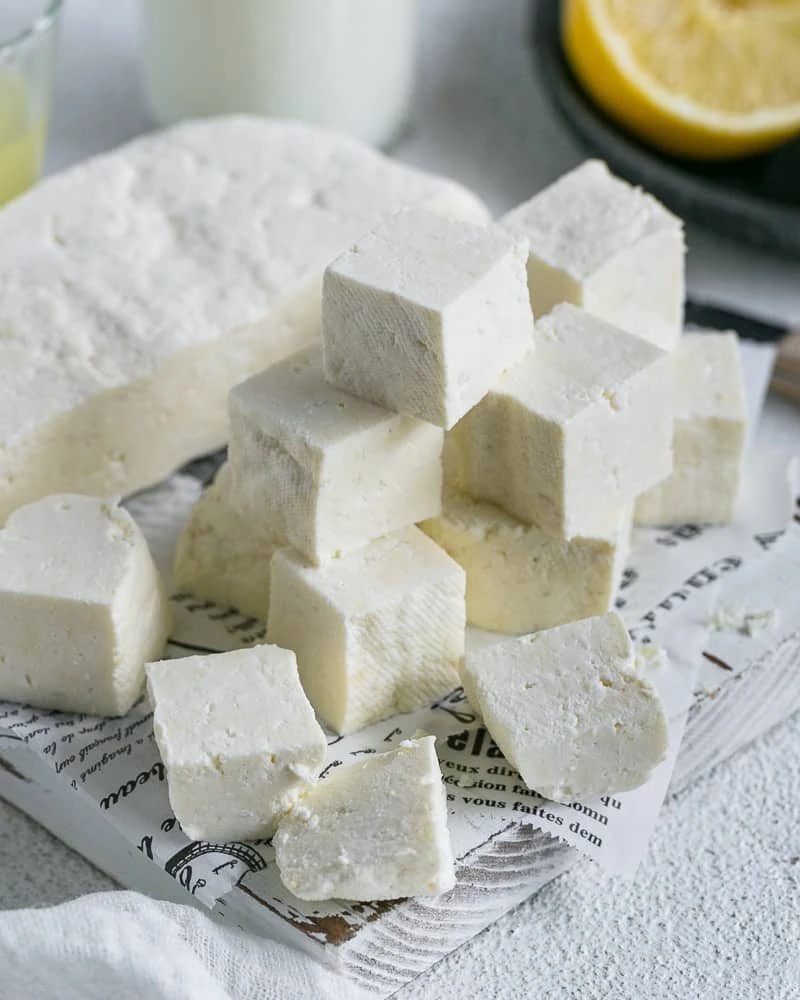
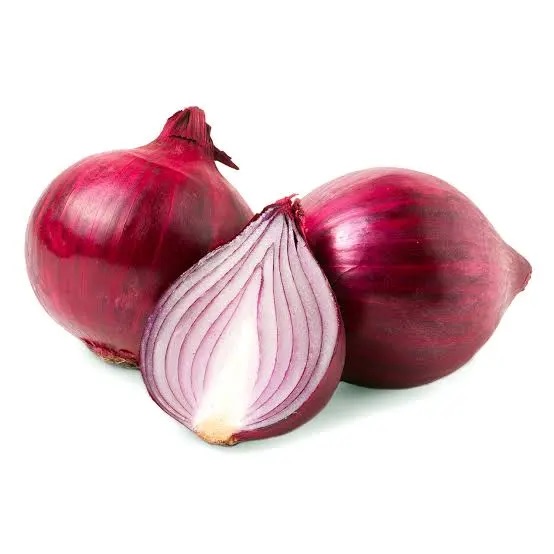

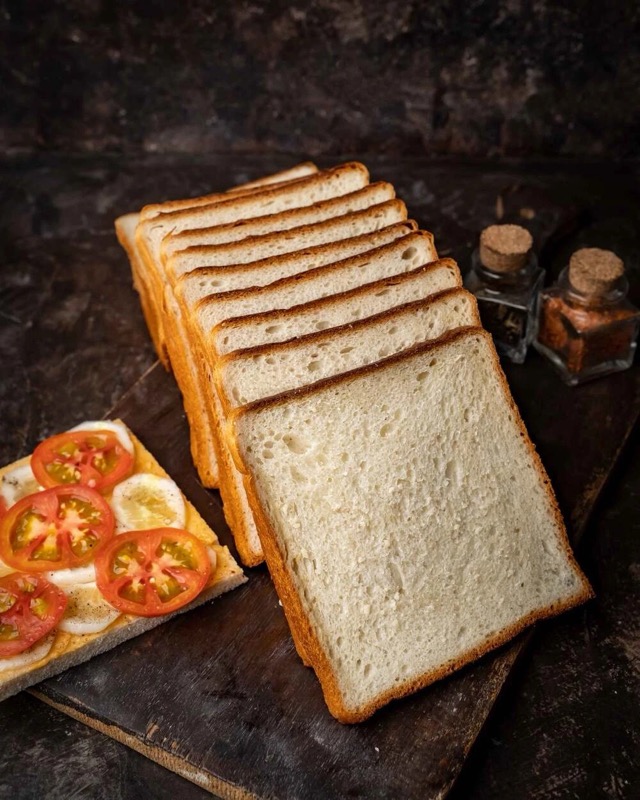
Start with your best-selling dish
Add it under Recipes below: type each ingredient and how much goes on one plate, then its menu price and roughly how many you sell a month. Your menu report appears here as soon as one dish is complete.
Your menu
Each dish, judged on how well it sells and how much it earns per plate.
Recipes
Quantities on one plate. Include packaging for takeaway.
What you buy
Price per kg, litre or piece from your last invoice. Yield is the share you can actually use after peeling, trimming or spillage.
Ingredients you type into a recipe appear here, ready for their price.
Check last month against your recipes
Your recipes say what food should have cost. Your stock counts say what it did cost. The difference is wastage, portion drift, comps and loss.
Fill in last month’s figures, and cost at least one dish above, to see how far actual spending drifted from your recipes.
Saved in this browser only. Nothing you enter is sent to PepperPe or anyone else.
What would make this more useful?
A missing field, a calculation you do by hand, something that confused you. Tell us and we will build it.
What the four verdicts mean
This is menu engineering, the method Kasavana and Smith set out in 1982 and still the standard way to read a menu. A dish counts as popular when it sells at least 70% of an equal share of orders, and as profitable when its margin per plate beats your menu average.
Keep
Popular and profitable. Protect the recipe, keep it consistent and do not discount it.
Reprice
Popular, but earns less than average per plate. Because so many sell, a Rs 10 to 20 rise or a slightly lighter recipe moves your whole month.
Promote
Earns well but few people order it. Give it a better spot on the menu, a better description, or a staff recommendation.
Rethink
Low on both. Rework the recipe or the price, or drop it and simplify your prep and stock.
What is the food cost percentage formula?
For one dish: food cost % = plate cost / menu price before GST x 100.
For a period: food cost % = (opening stock + purchases - closing stock) / food sales x 100. Opening stock plus what you bought is what you had; subtract what is left and you have what was used, whether it was sold, wasted or lost.
Always use prices and sales before GST. The tax is not your money, and leaving it in makes the percentage look better than it is.
What is a good food cost percentage?
A common rule of thumb for Indian restaurants is roughly 28 to 35 per cent, but it depends on what you sell. Coffee-led cafés usually run well under that, because milk and beans are cheap against the price of a cup. Seafood or meat-heavy menus can run higher and still make money if the ticket size carries it.
More useful than any benchmark is the gap between your recipe cost and your actual cost. A few points is normal. A gap that grows month on month means something changed: a supplier price, portions, wastage, or stock walking out of the door.
Your data stays with you
Nothing you enter here is sent to us or anyone else. It is saved in this browser so you can come back to it, and you can download your menu report as a CSV for your accountant or partner.
If you would rather not keep it up to date by hand, PepperPe does this continuously: each sale deducts its ingredients at recipe level, including variations and add-ons, and wastage is logged with a reason, so the recipe-versus-actual gap is there every day instead of once a month.
Common questions
Do I need to cost every dish on my menu?
No. Start with your ten best sellers. They are most of your orders, so they are most of your food cost, and the verdicts are most useful on dishes that sell in volume.
What should I put as yield?
The share of what you buy that ends up on plates. Bottled milk and packaged items are close to 100%. Onions and leafy vegetables after peeling and trimming are often 80 to 90%. If you are not sure, weigh a kilo before and after prep once.
Do beverages go into food cost?
Many operators track beverage cost separately, because drinks run at a very different percentage. In a coffee-led café it is reasonable to cost them together, as the example does. Whatever you choose, use matching sales figures in the monthly check.
Why is my actual food cost higher than my recipes say?
Wastage, heavier portions than the recipe, staff meals and comps that are not recorded, supplier price rises since you last costed, counting errors, and theft. The monthly check puts a rupee figure on the gap so you know whether it is worth chasing.
Is my data saved?
Yes, in this browser only. Clearing your browser data or switching device will lose it, so download the CSV if you want a copy.
Related
Stop wrestling your POS.
Tell us about your outlet and we will show you the system running on your own menu.
Book a demo